
There is a specific, high-frequency anxiety that settles in when you begin your morning in a cluttered space. We have all experienced that frantic, barefoot shuffle—fumbling for a fresh towel while the shower steam turns the room into a tropical fog, or shifting a precarious stack of skincare bottles just to find a single hair tie.
In the modern home, the bathroom is often our most confined footprint, yet it carries the heaviest emotional weight. It is the sanctuary for the “Self-Care Sunday” and the high-stakes cockpit for the “Monday Morning Rush.” Selecting a bathroom storage cabinet is, therefore, an act of reclamation. It is less about adding furniture and more about curating a sense of breath. When we design for small, high-traffic spaces, we aren’t merely looking for a box to hide our essentials; we are looking for a way to restore the cadence of our daily lives.
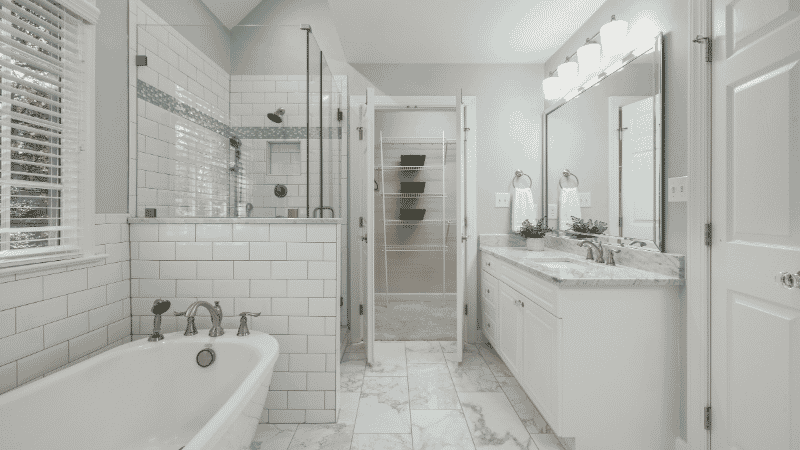
Designing for the Rhythm of Your Life
A sophisticated bathroom understands that your needs shift with the arc of the sun. In the early hours, the room must be a masterpiece of frictionless efficiency. You need your high-frequency rituals—the silk-textured serum, the cool weight of a jade roller—at eye level and within a thoughtless reach.
As twilight falls, the bathroom must undergo a sensory pivot. This is where the “conceal and reveal” element of a storage cabinet becomes vital. By tucking away the utilitarian plastic labels and the tangled cords of a blow dryer, you allow the room’s visual temperature to drop. The transition from a utilitarian workspace to a candlelit retreat is only possible when your storage absorbs the “noise” of life, leaving only the textures of stone, water, and linen behind.
To understand how these elements function in a broader context, explore our guide to minimalist home design principles to see how utility spaces can mirror the rest of your sanctuary.
What Most Minimalist Guides Get Wrong
Standard minimalist advice often feels like an ultimatum: “Discard everything until it fits in a single drawer.” In a real, busy home, that isn’t just difficult; it’s unsustainable.
The “minimalism” seen on social media often ignores the reality of bulk-buy essentials, guest towels, and the four different types of shampoo a family might use. The difference between a “Pinterest fail” and a functional home is intentional concealment. We don’t advocate for having less; we advocate for seeing less. A high-end bathroom storage cabinet shouldn’t demand you throw away your daily necessities—it should offer them a dignified place to reside out of sight.
The “Invisible” Aesthetic: Finding Proportion and Flow
In a compact en-suite, a heavy, dark-wood cabinet can feel like a structural intrusion. To maintain a sense of flow, we must lean into the “invisible” aesthetic—pieces that serve the space without crowding it.
Tonal Sympathy
Consider cabinets that whisper rather than shout. A matte-finish unit that mirrors the wall’s hue—perhaps a soft bone or a muted sage—allows the eye to travel across the room without snagging on a bulky silhouette.
The Tactile Balance
To avoid the clinical chill of porcelain and tile, look for pieces that offer a sensory counterpoint. A bathroom storage cabinet featuring a fluted glass front or a warm, honeyed oak grain introduces a much-needed organic softness to the room’s harder edges.
Elevated Geometry
If floor space is a premium, look to pieces with slender, tapered legs or floating wall mounts. By keeping the floor-line visible, you preserve the room’s “lightness,” tricking the eye into perceiving a more expansive volume.

Living Scenarios: Design Logic in Practice
The Urban Renter’s Narrow Niche
Sarah, a designer living in a compact city loft, was plagued by a “dead” twelve-inch gap between her shower stall and the vanity. Her lease prohibited drilling into the subway tile, leaving her with a cluttered countertop and nowhere to store her linens.
- The Solution: She introduced a freestanding, ultra-slim linen tower with a vertical, mid-century silhouette.
- The Design Insight: By selecting a unit with open shelving at the top and closed cabinetry below, she maintained a sense of openness. The top shelves held her “styled” items—neatly rolled Turkish cotton and a small amber candle—while the lower door hid the unavoidable bulk of paper goods.
The Shared Morning Ritual
For Mark and Elena, a couple navigating a shared single vanity, the morning was a choreographed battle of elbows and misplaced products.
- The Solution: They opted for an apothecary-style bathroom storage cabinet with reeded glass doors, placed adjacent to the mirror.
- The Design Insight: The reeded glass was the strategic masterstroke. It blurred the outlines of mismatched jars, turning clutter into a soft wash of color and texture while keeping every item exactly where it belonged.
Key Pieces to Achieve This Look
Creating this atmosphere requires a focus on “Design Language” rather than mere furniture acquisition. Look for these specific characteristics to ensure your selection elevates the space:
- The Vertical Column: Prioritize height over width. A tall, narrow silhouette mimics the architectural lines of the room, drawing the eye upward and making the ceiling feel more distant.
- Soft-Close Engineering: In a quiet home, the sound of a cabinet door slamming is a sensory disruption. High-end pieces utilize dampened hinges to maintain a peaceful environment.
- Material Integrity: Seek out “wet-rated” finishes. Whether it is a moisture-treated bamboo or a high-density resin with a stone-powder finish, the material must be able to thrive in 80% humidity.
- Recessed Hardware: To maintain a minimalist flow in a small space, look for integrated finger-pulls or flush-mount knobs that won’t catch on your robe as you move through the room.
Beyond the Aesthetic: The Reality of the “Wet” Room
When sourcing furniture, the allure of a Pinterest-perfect photo often masks practical failures. Real-life design requires a deeper vetting process:
- The Atmospheric Toll: Many high-street cabinets are built for dry rooms. Look for moisture-engineered materials that age with grace rather than warping under the pressure of a hot shower. For more on selecting durable pieces, see our tips for small-space furniture longevity.
- The Architecture of a Door: It is a classic oversight—measuring the footprint but forgetting the “swing.” A beautiful door that clips the towel rack is a design failure. Always map out the arc of movement.
- The 70/30 Rule: Open shelving is a commitment to curation. For the busy homeowner, we recommend the 70/30 split: 70% closed storage to hold the “mess” of reality, and 30% open space for the items that bring you joy.
Frequently Asked Questions
How can I elevate a standard cabinet to feel more bespoke? The secret lies in the tactile details. Replace generic hardware with “jewelry for the home”—unlacquered brass knobs that will patina over time, or matte black pulls that offer a crisp, modern contrast.
Which materials offer the best longevity in high-humidity spaces? While solid wood is the luxury standard, high-grade MDF finished with a professional-grade moisture sealant or “marine-grade” finishes often prove more resilient against the daily expansion and contraction caused by steam.
Is vertical storage actually better in a small layout? Unquestionably. Tall, narrow towers capitalize on the “unused” air of a room. It draws the eye upward, emphasizing the ceiling height and providing significant volume without encroaching on the essential “walk-around” space.
How do I choose between a floor-standing and wall-mounted cabinet? Floor-standing units generally offer more weight capacity for heavy items like liter-sized shampoos. Wall-mounted (floating) units are superior for creating a sense of space and ease of cleaning, provided your wall studs are correctly positioned for the load.
The Final Polish
A bathroom should not be a room you merely use; it should be a room that prepares you. By choosing a bathroom storage cabinet that respects both the architecture of the space and the nuances of your routine, you transform a chore into a ritual. It is in these quiet, organized corners that we find the space to breathe before the day demands our attention.