
There is a specific, quiet magic found in the first thirty minutes of the day—that fleeting window between the alarm’s final ring and the world’s inevitable noise. It is a time defined by the rhythmic hum of a burr grinder, the steam curling from a thumb-pressed ceramic mug, and the soft, geometric transition of light across a kitchen floor.
While the formal dining room sits in staged perfection, waiting for holiday silver and high-stakes dinner parties, the breakfast nook is where our actual lives unfold.
In the modern home, this corner is far more than a functional furniture arrangement; it is a dedicated reclamation of underutilized space, designed to anchor our daily emotional transitions. Whether you are navigating a compact urban flat or a sun-drenched suburban kitchen, a well-curated breakfast nook dining set acts as the sanctuary where the chaos of the day is momentarily held at bay.
Defining Your Nook: Where Architecture Meets Intention
Designing a breakfast nook requires a sophisticated understanding of “visual weight”—the delicate balance between physical comfort and spatial clarity. Before selecting a set, one must curate a visual baseline that mirrors their internal rhythm.
The Minimalist Sanctuary
For those who prioritize mental decompression, a glass-top pedestal table paired with slim, sculptural silhouettes keeps the sightlines fluid. This approach prevents a small kitchen from feeling “anchored” by heavy furniture, allowing the morning sun to spill uninterrupted across the room.
The Warm Modernist
This aesthetic celebrates the tactile—the cool grain of white oak, the rhythmic weave of cane backrests, and the grounding presence of matte black metal. It feels organic and intentional, bridging the gap between a high-efficiency kitchen and the softness of a living lounge. For more on blending these natural textures, explore our guide on The Rise of Japandi: Why Minimalist Comfort is the Future of Living.
The Design Equilibrium: When assessing your floor plan, evaluate the “Three-Point Flow”: Natural Light (the luxury of a window view), Autonomy (the nook should exist outside the heat and high-traffic “work triangle” of the stove), and Proportion (maintaining at least 24 inches of clearance to ensure the transition from sitting to standing is effortless).
The Anatomy of a Refined Dining Set
The distinction between a cramped corner and a professional-grade retreat lies in the “footprint” of the furniture.
The Table: The Case for the Sculptural Pedestal
In a restricted dining area, traditional table legs are a spatial intrusion. A pedestal base is the hallmark of sophisticated nook design because it eliminates the four-corner barrier, allowing guests to slide in without the awkward dance of bruised knees. A round pedestal table naturally breaks the rigid, linear monotony of kitchen cabinetry, introducing a curve that invites conversation and ease.
The Seating: The Poetry of the Banquette
To maximize a corner’s potential, an L-shaped banquette or a low-profile bench is transformative. Unlike a row of individual chairs, a bench offers “flex seating”—it accommodates two adults for a quiet coffee or three children during a spirited weekend brunch.
To maintain a high-end lifestyle aesthetic, lean toward performance textiles. Modern linen-textured weaves offer the sensory luxury of fine upholstery with the “wipe-clean” resilience required for a high-use kitchen environment. Understanding how to choose the right wood finish can further elevate this built-in look, ensuring the grain of your bench complements your flooring.
Real-Life Living: Design in Motion
The Urban “Alcove” Transformation
In a 600-square-foot Manhattan apartment, a resident faced the classic “dead-end” hallway adjacent to the kitchen. By installing a floating wall-mounted table and two airy rattan bistro chairs, the space evolved from a storage catch-all into a refined “laptop perch.” During the week, it serves as a focused creative zone; on Sunday mornings, it becomes a sun-drenched theater for the newspaper and a croissant.
The Family “Command Center”
A suburban family realized their oversized kitchen island had become a transactional space—quick meals eaten standing up. They introduced a mid-century modern breakfast nook set featuring a walnut trestle table and a window seat upholstered in moss-green performance velvet. The shift was visceral. By physically separating the “eating zone” from the “cooking zone,” the morning routine transformed from a race into a ritual.

Design Specification & Lifestyle Fit
| Space Profile | Recommended Set | Primary Materials | Emotional Intent |
| Urban Alcove | 30″ Pedestal Table + Airy Rattan Chairs | Matte Metal / Glass / Raffia | Lightness & Breathability: Creates visual transparency to eliminate small-space anxiety. |
| Family Command Center | L-Shaped Banquette + 48″ Trestle Table | White Oak / Performance Velvet | Enclosure & Belonging: Creates a sense of security and fosters intimate family dialogue. |
| Multipurpose Living | Oval Streamlined Table + MCM Side Chairs | Walnut / Burnished Leather | Fluidity & Balance: Smoothly transitions from morning coffee to afternoon remote work. |
| Minimalist Sun-Nook | Slim-Profile Round Table + Scandi Wood Chairs | Cherry Wood / Terrazzo / Fine Wool | Purity & Ritual: Captures light and shadow to turn a simple breakfast into an aesthetic event. |
What Most Minimalist Guides Get Wrong
Common design advice often suggests that “smaller is better” for compact nooks, but this is a frequent miscalculation. A tiny table in a corner often looks like an afterthought rather than an architectural choice.
True minimalism isn’t about the absence of furniture; it’s about the presence of intentional scale. A larger, bold pedestal table can actually make a small room feel more expansive by providing a singular, confident focal point. Furthermore, many guides ignore the “Acoustic Factor.” Kitchens are full of hard surfaces—tile, stone, stainless steel. A breakfast nook without upholstered elements or a high-pile rug underfoot will feel cold and “echoey,” stripping away the emotional comfort the space is intended to provide.
Key Elements to Achieve This Look
To replicate the effortless sophistication of a high-end lifestyle nook, focus on the harmony of these specific design languages:
- Tapered Silhouettes: Seek out tables with beveled edges or tapered legs to reduce visual clutter at eye level.
- Performance Tactility: Utilize fabrics that mimic high-end bouclé or raw silk but possess a high Martindale count (durability rating) for longevity against spills.
- The “Anchor” Light: A singular, architectural pendant hung exactly 30 inches above the tabletop creates an intimate “envelope” of light, separating the nook from the utility of the kitchen.
- Natural Transitions: Use a low-profile rug in a natural fiber like jute or a wool-silk blend to define the boundary of the nook without creating a physical step-up.
The “Invisible” Nuances: Avoiding Common Pitfalls
- The Scale of the Rug: If you define the nook with a rug, it must be expansive enough that the chair legs remain on the pile even when pulled out.
- The Ergonomics of the “Slide”: If utilizing a deep corner bench, the table should be stable yet balanced. There is nothing less luxurious than the physical strain of squeezing into a tight corner.
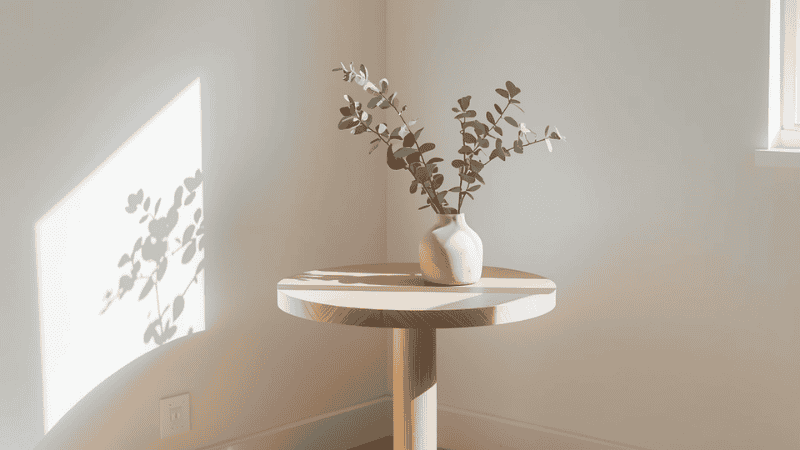
- Surface Curation: A breakfast nook is a cathedral for coffee and reflection, not a staging ground for mail. Keep the tabletop curated—perhaps a single artisanal vase—to protect that sense of psychological calm.

The Emotional Return: Why the Nook Matters
Beyond the technicalities of furniture dimensions, the breakfast nook represents a commitment to the “slow living” philosophy. It is a physical invitation to pause. When you invest in a set that honors both form and feeling, you are not just buying furniture; you are upgrading the texture of your life. In a world that demands we accelerate, the breakfast nook asks us to linger.
FAQ: Refined Solutions for Real Homes
What is the ideal diameter for a 2-person breakfast nook? A 30-inch to 36-inch round table provides the perfect intimacy. It allows for two full place settings and a central carafe without the surface feeling overcrowded or cluttered.
How do I choose between a bench and individual chairs? Benches are superior for maximizing seating in tight corners and creating a “built-in” architectural feel. Chairs offer more flexibility and “breathing room” around the table, which is preferable if the nook is located in an open-walkway area.
Can a nook work within an open-concept living room? Yes. This is the “floating nook” concept. By using a textural rug and a low-hanging pendant light, you can create a “room within a room” that feels distinct from the lounging area.
What are the most durable materials for a high-use kitchen nook? Look for “Warm Modern” materials: Quartz or solid wood (like Oak or Walnut) with a polyurethane matte finish for the table, and solution-dyed acrylics or performance velvets for the seating. These resist staining while maintaining a soft, premium hand-feel.
How high should I hang a light fixture over a breakfast table? To create the proper sense of intimacy without obstructing views across the room, the bottom of the fixture should sit approximately 30 to 34 inches above the table surface.