
There is an ancestral, almost visceral comfort found in the grain of a well-loved wooden surface. In the choreography of a thoughtfully designed room, our eyes may first settle on the silhouette of a chair, but our hands invariably seek the texture. In the landscape of a refined home, wood finishes act as the silent narrators of our daily existence. They dictate whether a space feels like a cold, transient gallery or a living sanctuary that invites us to linger just a few moments longer.
To choose a natural finish is to embrace a philosophy of “living” design. It is the subtle, profound difference between the synthetic, plastic-like barrier of a heavy lacquer and the warm, velvet-like breathability of an oil-rubbed plank. It is a commitment to materials that age with a quiet grace, mirroring the evolving rituals of the people who move among them.
Defining the Modern Surface: Beyond the Varnish
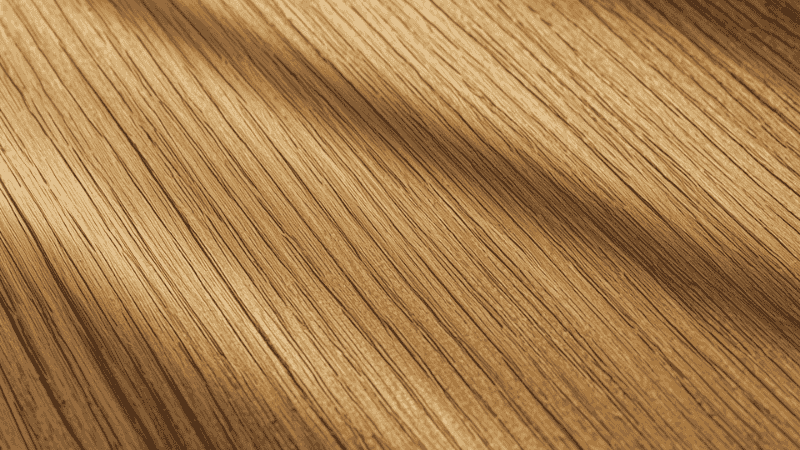
In the pursuit of a Japandi or Organic Modern aesthetic, the objective is to protect the wood’s integrity without suffocating its spirit. We are collectively moving away from the “honeyed” ambers of the past—those heavy, light-blocking coatings—and toward finishes that feel essentially invisible to the eye but rich to the touch.
The Raw Aesthetic: Oil-Rubbed Finishes
This is the purest expression of timber. Penetrating oils, such as pure Tung or cold-pressed Linseed, do not sit atop the wood; they become part of it. The result is a “haptic” surface that maintains the microscopic vibrations of the grain. This is the choice for the tactile seeker—someone who finds solace in the feel of a solid oak desk beneath their palms during a focused morning of work.
The Invisible Shield: Water-Based Matte
For the high-traffic household that refuses to sacrifice soul for durability, the “dead-flat” water-based polyurethane is a modern marvel. It creates a molecular barrier against the stray condensation of a wine glass or the artistic whims of a toddler, all while appearing as though the timber were freshly cut and untreated.
The Design Equilibrium
A matte finish absorbs the glare of modern LED lighting, providing a sense of visual depth and atmospheric calm. Conversely, a high-gloss finish can create “visual noise,” reflecting light in a way that disrupts the clean lines and negative space essential to minimalist living. For those curating an intimate dining area, understanding this balance is key to creating a modern breakfast nook that feels both functional and serene.
The Art of the Mix: How to Layer Wood Tones
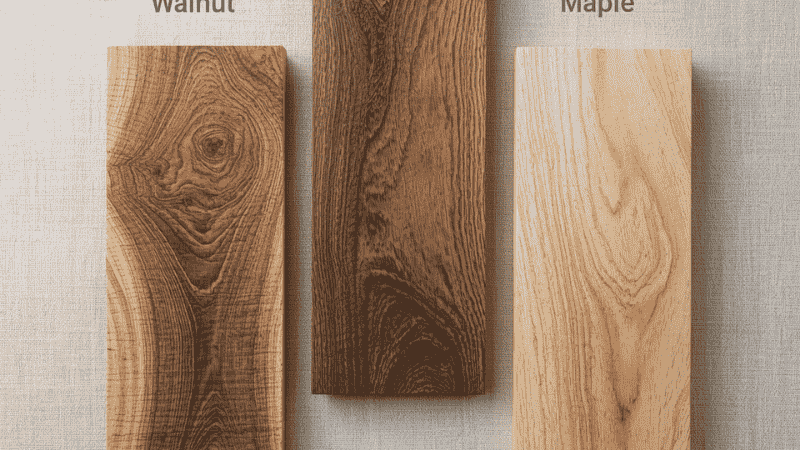
One of the most persistent anxieties in interior curation is the fear of “clashing” grains. Yet, a room where every leg and tabletop matches perfectly feels sterile—lacking the soul of a space collected over time. The secret to a high-end look lies in the deliberate layering of different wood finishes.
Wood Tone Selection & Lifestyle Harmony
| Space Aesthetic | Dominant Finish | Accent Tones | Design Intent |
| Organic Modern | Raw White Oak | Smoked Walnut | Warmth & Contrast: Uses deep tones to ground airy, light-filled rooms. |
| Japandi Retreat | Natural Ash | Ebonized Black | Serenity & Precision: High-contrast pairing for architectural clarity. |
| Transitional Loft | Reclaimed Pine | Aged Brass / Steel | Character & Depth: Blends historic textures with industrial precision. |
| Warm Minimalist | Bleached Maple | Neutral Sandstone | Softness & Light: Maximizes luminosity through low-pigment, high-texture surfaces. |
What Most Minimalist Guides Get Wrong
Standard design advice often prioritizes visual “matching” over the sensory experience. Most guides suggest that a “natural” finish is simply a color choice. In reality, the finish affects the Acoustic Softness of a room.
Hard, high-gloss lacquers reflect sound, contributing to the “echo-chamber” effect common in modern open-plan homes. A natural, open-pore oil finish actually helps dampen sound, working in tandem with your linens and wools to create a hushed, intimate environment. Furthermore, many ignore the Haptic Connection—the psychological grounding effect of touching real, porous material versus a sealed chemical coating. High-quality small space solutions often rely on these tactile cues to make a compact home feel expensive and intentional rather than merely functional.
Real-Life Living: Design in Motion
Case Study 1: The “Glow-Down” Renovation
A couple in a Pacific Northwest home felt oppressed by the aggressive “orange” glow of their 90s-era cabinetry. Instead of a full-scale demolition, they opted for a professional “raw-look” refinishing. By stripping the amber varnish and applying a water-based matte sealer with a hint of white pigment, the kitchen was transformed. The wood was allowed to “breathe” visually, making the room feel more expansive and deeply connected to the forest views outside.
Case Study 2: The Heirloom Desk
A freelance writer sought a workspace that would age as her career did. She chose a hand-planed walnut surface treated with a natural hard-wax oil. Over years of use, the wood developed a unique patina—a subtle “lifestyle map” where her wrists rested and her coffee cup sat. Unlike a plastic-coated surface that merely scratches, this natural wood finish absorbed her history, becoming more beautiful with every year of wear.
Design Language: Elements That Make This Style Work
To achieve a home that feels both high-end and profoundly human, look for furniture that employs these specific design languages:
- Wire-Brushed Textures: This technique removes the softer springwood, leaving the heartier grain exposed for a tactile, lived-in feel.
- Low-VOC Integrity: Prioritize finishes that are free of toxic off-gassing. Sustainable luxury is as much about the air you breathe as the table you admire.
- Satin-Touch Surfaces: A satin-matte finish provides a subtle luster that feels like silk under the hand while standing up to the acidity of daily life.
The “Invisible” Nuances: Avoiding Common Pitfalls
- The “Matchy-Matchy” Trap: Avoid buying “sets.” A curated home should feel like an evolution, not a showroom delivery.
- Ignoring Photo-Sensitivity: Natural woods are living things; they “tan” in the sun. A light oak table will deepen in hue if placed in a sun-drenched window—embrace this change as part of the wood’s story.
- Chemical Warfare: Avoid “furniture polish” sprays containing silicone. For most natural finishes, a barely-damp microfiber cloth and a pH-neutral cleaner are all that’s required to maintain the soul of the surface.
The Emotional Return: Why the Surface Matters
Beyond the technicalities of VOCs and sheens, the wood finishes we choose represent a commitment to the “slow living” philosophy. It is a physical invitation to pause. When you invest in a surface that honors both form and feeling, you are not just buying furniture; you are upgrading the texture of your life. In a world that demands we accelerate, the natural grain asks us to linger.
FAQ: Navigating Your Wood Journey
Can I mix light and dark wood finishes in one room? Yes. Contrast is the key to a sophisticated interior. Pair light-reflective ash with light-absorbing walnut to create a sense of architectural balance and “zoning” within an open-concept room.
What is the best finish for a high-use dining table? A high-quality matte or satin water-based sealer is the most practical choice for daily life. It mimics the “raw” look while protecting the wood fibers from heat, moisture, and acidity.
How do I know if a finish is truly eco-friendly? Look for “zero-VOC” or “plant-based” certifications. Natural hard-wax oils are typically the gold standard for those looking to minimize their environmental footprint and maintain healthy indoor air.
Will my wood furniture change color over time? Yes. All natural wood reacts to UV light. Cherry and Mahogany tend to darken and redden, while Maple may take on a golden hue. This patina is widely considered a mark of quality and authenticity.
How do I identify the undertone of my wood furniture? Place the piece against a pure white sheet of paper. This will help you see if the wood leans “warm” (yellow, orange, or red) or “cool” (gray, green, or blue-ish brown). Consistent undertones allow for effortless mixing of different wood species.