
In the modern home, the kitchen has evolved into something far more profound than a utility zone; it is a theatre of nourishment, a social anchor, and a quiet retreat for the morning’s first, contemplative espresso.
Yet, it is also the room most susceptible to a specific type of atmospheric friction. Between the “appliance graveyard” cluttering the marble and the chaotic tumble of mismatched lids in the cabinetry, the heart of the home often beats with a frantic, disorganized energy.
When we approach kitchen storage through the lens of intentional design, we aren’t merely tidying—we are reclaiming our creative headspace. An efficient kitchen invites a state of “flow,” where the weight of a cast-iron skillet or the texture of a linen tea towel meets you exactly when needed.
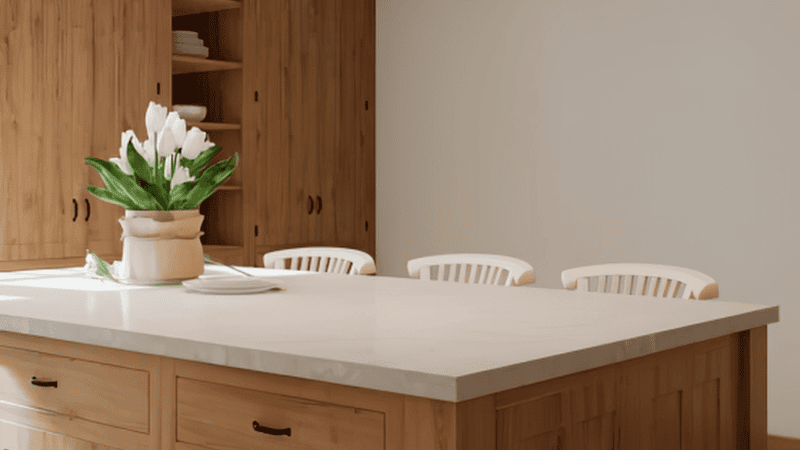
The Philosophy of the “Clear Countertop”
There is a psychological tax paid for every branded package left in sight. The jarring neon of a cereal box or the frantic typography of a spice jar creates a constant stream of “visual noise” that subtly drains mental energy. To transform your kitchen into a sanctuary, one must first embrace the quiet art of decanting.
Silencing Visual Noise
Moving dry goods into uniform glass or ceramic canisters strips away the marketing and reveals the raw, honest beauty of the ingredients—the powdered softness of flour, the geometric precision of heirloom pasta, the earthy palette of lentils.
When you open your pantry and find a harmonious row of wood-topped vessels, the brain registers order rather than an errand list. This sense of order is a key pillar of small space design, where visual clarity is the ultimate luxury.
The Sacred Countertop
A clear countertop is a physical invitation to begin. In a refined kitchen, only the “daily ritual” items—those that possess both utility and a sculptural soul—deserve a permanent home on the surface. By tucking the toaster or the bulky stand mixer into dedicated “appliance garages,” you allow the room’s architectural materials—the honed stone or the deep grain of your natural wood finishes—to finally breathe.
What Most Minimalist Guides Get Wrong
Most generic organization advice suggests that the goal of kitchen storage is to hide everything behind closed doors. They advocate for a “barren” look that often feels sterile and uninspiring for a real cook.
In a high-end, functional kitchen, the goal isn’t total concealment—it’s Curated Accessibility. What most guides get wrong is failing to account for “friction.” If you hide your most-used olive oil in a deep cabinet to keep the counter clear, you create a micro-frustration every time you cook. The sophisticated approach is to decant that oil into a beautiful glass cruet and keep it on the counter. Minimalism should serve the ritual of cooking, not hinder it.
Zoning for Efficiency: The Professional Logic
Professional chefs organize their workspace into “stations,” a logic that brings a sense of professional ease to the domestic kitchen. This is the “Point of Use” rule: a choreography of placement where every object lives at the center of its own action.
- The Prep Zone: Knives, heavy boards, and scrap bowls should live within a pivot’s reach of the sink.
- The Cook Zone: Hand-poured oils, salts, and frequently used pans should be positioned by the range.
- The Clean Zone: Glassware and daily plates belong near the dishwasher, making the “Evening Reset”—that quiet moment of restoring order before bed—a mindless meditation.
Deep Drawers and Hidden Architecture
If you are refreshing a space, the most significant ergonomic gift you can give yourself is a transition from lower cabinets to deep drawer systems.
Standard lower cabinets are often “black holes” where heavy pots go to be forgotten. A deep drawer, however, glides out to meet you, offering a bird’s-eye view of your collection. Utilizing modular bamboo inserts to customize these spaces ensures that your heavy cast iron doesn’t clatter against your delicate ceramic, preserving the life of your cookware.
It is the difference between rummaging and selecting. This same philosophy applies to intentional clothing storage—when you can see the entirety of your collection at a glance, you make better, more mindful choices.
Design Language: Key Pieces to Achieve This Look
To manifest a kitchen that feels both professionally efficient and architecturally serene, gravitate toward these design elements:
- Borosilicate Glassware: Choose high-clarity glass canisters with airtight acacia lids for a warm, organic feel.
- Fluted Cabinet Inserts: Fluted glass obscures the “visual noise” of mismatched dishes while allowing light to pass through.
- Bifold Appliance Garages: These allow you to hide heavy machinery while maintaining easy, one-handed access.
- Recessed LED Lighting: Under-cabinet lighting should be warm (2700K) to highlight the textures of your stone or wood surfaces without glare.
Real-Life Living: Two Culinary Transformations
Case Study 1: The 60-Square-Foot Chef’s Kitchen
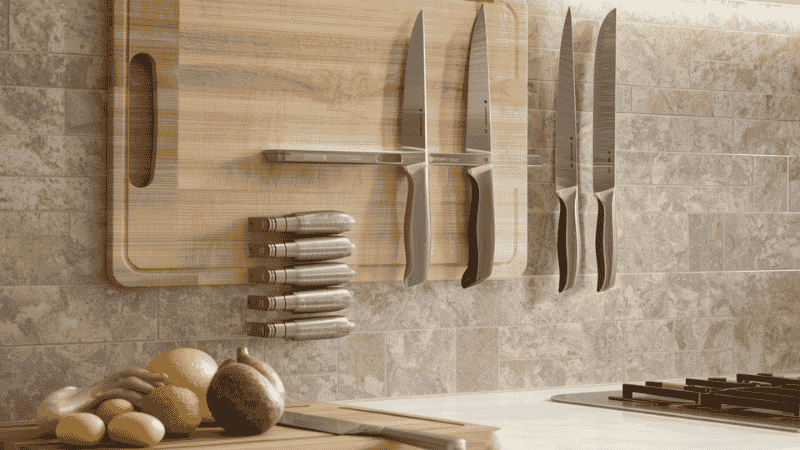
In a compact urban studio, a professional pastry chef installed a single, long floating shelf of reclaimed ash for daily-use porcelain. By utilizing a magnetic knife strip, they freed up 40% of their counter space, proving that a kitchen can function at a professional grade when packaging is removed from the equation.
Case Study 2: The Family Hub Morning Reset
A busy household moved their kettle, mugs, and coffee canisters behind bifold doors into a “Breakfast Altar.” In the morning, the doors open for the ritual; once the coffee is poured, the doors close, and the kitchen is instantly returned to a state of architectural calm.
The “Open Shelving” Trap: Nuance Over Trend
While open shelving looks breathtaking in the soft glow of editorial photography, it requires a disciplined approach to be viable in a high-use kitchen.
Anything sitting on an open shelf near a stove will eventually collect a fine film of cooking grease and dust. Reserve open shelving for the objects in constant rotation—the mugs you reach for every morning or the bowls used for every evening meal. This ensures the items are cycled and washed frequently. For everything else, fluted glass doors offer a similarly airy feel while keeping your heirloom glassware pristine.

FAQ: Mastering Your Kitchen Environment
How do I organize a kitchen with limited cabinetry? Think vertically and with mobility in mind. A high-quality wood bar cart can act as a mobile “prep station,” while wall-mounted rails can hold everything from copper pans to herb pots, turning your essential tools into a textural, living wall display.
What is the most sustainable way to store food? Move away from the cycle of disposables. Investing in a set of high-quality glass containers with airtight lids not only benefits the environment but allows you to see exactly how much of an ingredient remains, reducing the cognitive load of grocery planning.
Should I use clear or opaque containers? Use clear glass for ingredients that are naturally beautiful—grains, pasta, or colorful lentils—to enhance the “Organic Modern” feel. Use opaque ceramic jars for items that are light-sensitive, such as high-quality extra virgin olive oils or specialty teas.
How do I keep my pantry organized long-term? The “One In, One Out” rule is essential. Before adding a new specialty ingredient to your kitchen storage, ensure you have both the space and the genuine intention to use it. A seasonal “reset” every three months helps keep your decanted jars fresh and your zones functional.
What is the best way to store heavy appliances? Deep pull-out drawers are the gold standard. If your kitchen layout allows, an “appliance garage” at counter-level with a lift-up or bifold door is the most ergonomic way to use heavy mixers without lifting them.
How can I make my rental kitchen storage feel more high-end? Replace plastic bins with bamboo or felt inserts. Swapping standard cabinet hardware for brushed brass or matte black pulls and adding a high-quality linen runner can instantly elevate the visual “weight” of the space.
Hi, this is a comment.
To get started with moderating, editing, and deleting comments, please visit the Comments screen in the dashboard.
Commenter avatars come from Gravatar.